The High Stakes of Competitive SEO
Competing for organic search visibility in saturated markets feels like a chess match where every move is scrutinized and countered. Whether you’re targeting finance, health, SaaS, ecommerce, or local services in big metros, the competition rarely sleeps. Rankings shift with each algorithm tweak, content refresh, and link acquisition. Even established sites can see traffic halve overnight if they fail to adapt.
Big brands invest millions in their SEO operations, deploying teams of writers, technical specialists, and link builders. Yet smaller players still break through - not by outspending but by outsmarting. Success relies on relentless attention to details: technical hygiene, content quality, user signals, and inventive outreach. The margin for error is thin; the upside for those who master it remains enormous.
Understanding Search Intent in Crowded SERPs
In competitive niches, Google’s algorithms grow more sophisticated at interpreting intent behind queries. No longer do exact-match keywords guarantee results. Instead, the winning pages are those that best satisfy what users really seek.
Take “best CRM software.” The top results blend comparison tables, hands-on reviews, pricing breakdowns, and FAQs. Sites ranking well don’t simply repeat the keyword - they anticipate related questions (“Is Salesforce worth it for small business?”), offer original analysis, and update content frequently.
Experienced SEOs routinely analyze search engine result pages (SERPs) beyond position tracking. They dissect content formats (guides vs lists vs video), examine featured snippets or People Also Ask boxes, and map variations in intent between keywords that seem similar on paper but differ in practice.
Keyword Research: Moving Beyond Volume
Relying solely on search volume leads to frustration in crowded spaces because high-volume terms attract the fiercest competition. Veteran marketers now prioritize:
- Keyword difficulty scores from tools like Ahrefs or SEMrush. SERP features present (featured snippets often favor certain formats). Search intent mapping to identify informational versus transactional opportunities. Long-tail variants, especially those surfaced from actual user queries via tools like AnswerThePublic or Google Search Console’s query data.
For example, in the legal niche, “personal injury lawyer Los Angeles” will be a bloodbath. Savvy firms target “how long does a car accident lawsuit take in LA” or “average settlement for slip and fall California,” capturing visitors deeper into the decision cycle.
Content Marketing with Depth and Authority
Thin pages no longer cut it when every competitor is publishing guides running thousands of words deep. What separates winners is not just length but substance: unique research, expert commentary, proprietary data sets.
A standout example comes from fintech blogs that publish annual industry reports based on their own surveys. These assets become citation magnets for journalists and other bloggers - fueling both backlinks and brand authority.

Content optimization means more than keyword stuffing meta tags or headers. It involves layering topical relevance throughout articles with supporting subtopics (see TF-IDF analysis), incorporating schema markup for enhanced SERP presence (like FAQ rich results), and using internal linking to bolster site architecture around key themes.
Technical SEO: Non-Negotiable Foundations
No amount of brilliant copy or backlinks can compensate for a sluggish website riddled with crawl issues. In tough niches, technical SEO becomes table stakes:
Fast page speed is essential; even half-second delays can drop conversions by double-digit percentages. Compress images aggressively without sacrificing quality using WebP formats or CDNs like Cloudflare Images.
Mobile optimization is now mandatory as mobile-first indexing is standard. Responsive design alone isn’t enough - check font sizes, tappable elements’ spacing, and Core Web Vitals scores regularly.
Schema markup boosts organic click-through rates by enhancing listings with review stars or business hours directly on Google’s page. Yet improper implementation can backfire; always validate code through Google’s Rich Results Test before launch.
Regularly scheduled SEO audits catch errors before they fester: broken links draining link equity; duplicate meta tags confusing crawlers; orphaned pages languishing with zero traffic.
Link Building: Quality Over Quantity Under Scrutiny
Backlink building remains critical but also fraught with pitfalls as Google’s algorithms get better at identifying manipulation schemes. In competitive sectors where paid placements and private blog networks abound, sustainable strategies focus on:
- Earning links via digital PR (newsworthy studies or tools). Guest posting only on genuinely relevant sites. Broken link outreach targeting resource pages. Partnering with influencers or respected community figures who command trust within your vertical. Building proprietary calculators or interactive content deserving of natural citations.
One law firm I worked with earned dozens of high-authority backlinks after releasing a state-by-state statute lookup tool that major publications referenced during legislative changes - far surpassing what could be achieved by buying links outright.
On-page Precision: Micro-Optimizations Matter
Every detail counts when rivals fine-tune their titles daily and monitor CTR swings hour by hour through website analytics platforms like Google Analytics 4 or Matomo. Meta tags should be crafted not just for robots but real people scanning crowded SERPs; clear value propositions outperform generic descriptors every time.
On-page SEO best practices extend to structured content layouts using H2s/H3s that mirror how users skim online material; embedding jump links to key sections aids navigation while boosting dwell time metrics (a positive user experience signal).
Content optimization requires ongoing vigilance as competitors refresh their posts weekly - set reminders to revisit top URLs quarterly at minimum so you don’t cede ground due to outdated information or missing new subtopics that have emerged since last publication.
Leveraging SERP Features Strategically
Securing position one isn’t always possible against entrenched giants. However, dominating featured snippets or People Also Ask boxes can drive significant traffic even if your domain authority lags behind leaders’. Format answers concisely (40–60 words), use schema markup where appropriate (especially FAQPage schemas), and monitor which queries trigger these features through tools like Moz Pro or SEMrush Sensor.
Local businesses must claim and optimize Google Business Profiles meticulously - accurate NAP data (name-address-phone), updated hours during holidays/events, regular photo uploads all influence map pack rankings almost as much as traditional link signals today.
Data-Led Experimentation Beats Guesswork
Gut instinct helps but rigorous testing exposes hidden opportunities others miss. Conversion rate optimization (CRO) often yields more ROI than broadening keyword spreads alone; small tweaks to calls-to-action based on A/B tests shift revenue numbers quickly even if traffic holds steady.
Website analytics illuminate what resonates: heatmaps reveal scroll depth bottlenecks; session recordings flag confusing UX elements causing bounce spikes; cohort analyses show whether organic visitors from certain keyword clusters convert better than others - insights rarely surfaced from rank trackers alone.
Seasoned SEOs know when to abandon underperforming tactics rather than clinging out of sunk cost fallacy: if an outreach approach returns diminishing replies over six months despite tweaking templates religiously, allocate energy elsewhere rather than doubling down futilely.
Navigating Algorithm Volatility With Agility
Google’s core algorithm updates roll out unpredictably Boston SEO yet reliably impact competitive spaces hardest because so many sites dance near the edge of compliance at any given moment. After each major update (such as March 2024’s Core Update), winners react rapidly:

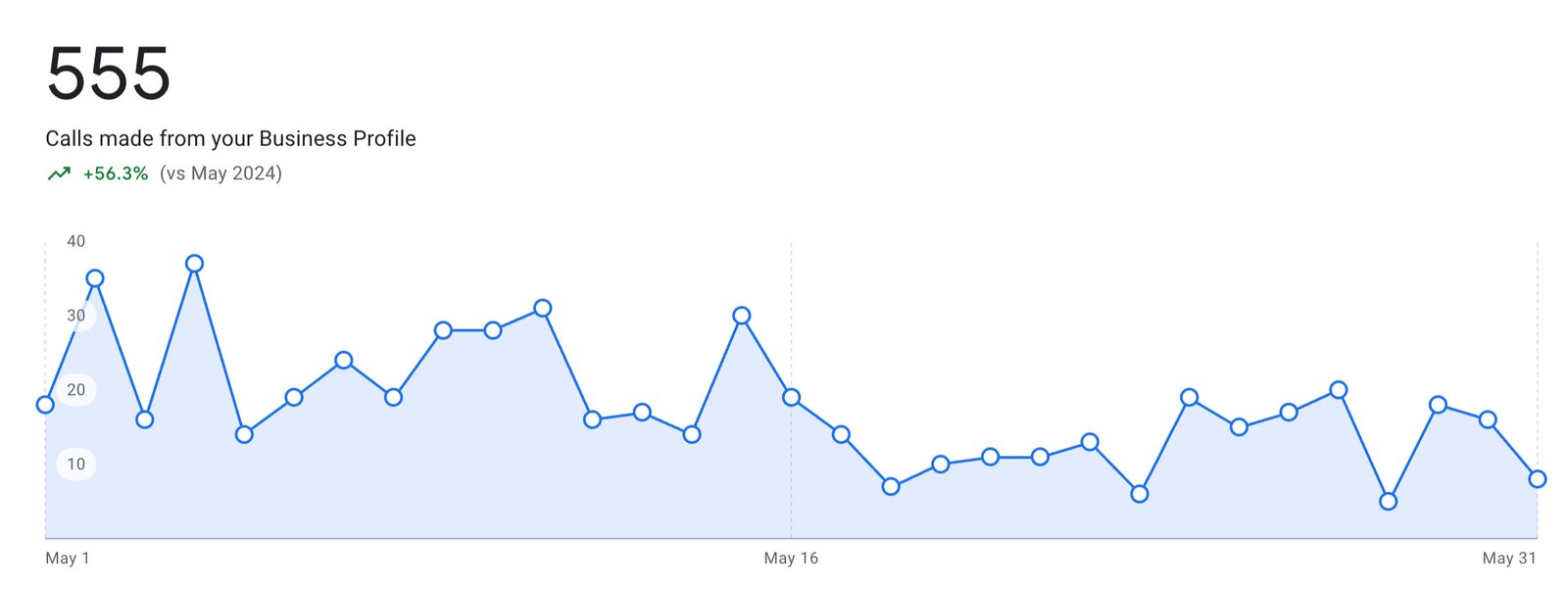
First step is forensic analysis using site-level analytics segmented by landing page type; sudden drops isolated to specific page templates often point to technical issues (crawl errors) while global declines may indicate broader trust/authority downgrades from off-page factors like unnatural link profiles.
Open communication channels across departments expedite fixes - developers handle server-side redirects overnight while writers spin up fresh content addressing gaps surfaced during post-update audits. Agility trumps perfectionism here: waiting weeks to respond ensures lost rankings are harder to reclaim later due to rapid reindexing cycles among competitors who moved faster.
Trade-Offs And Realities In Tough Niches
Resource allocation forces hard choices constantly:
Do you invest budget into producing another mammoth guide hoping for backlinks? Or divert toward CRO improvements yielding immediate lead upticks? Should you chase high-difficulty terms knowing only a top-three finish moves the needle? Or build a moat around mid-tail queries less likely to fluctuate wildly?
Often the answer shifts quarter by quarter based on market dynamics visible only through granular analytics reviews combined with frontline experience talking directly with customers about how they actually search online - not how we wish they did based on tool projections alone.
Edge cases abound too: some industries see competitors weaponize negative SEO attacks via spammy links requiring vigilant disavowal routines; others face regulatory hurdles limiting what can legally appear in meta descriptions or ad copywriting efforts adjacent to organic listings.
A Pragmatic Checklist For Ongoing Success
When the pressure mounts amid volatile rankings and aggressive rivals crowd the field, keep this succinct checklist close:
Conduct quarterly full-site SEO audits focused equally on technical errors and shifting content needs. Track conversion rates per landing page alongside raw traffic so you spot monetization issues early. Revisit top-performing keywords monthly using multiple tools (Ahrefs plus native GSC data) for shifts in intent/SERP layout. Prioritize earning editorial coverage over buying links outright whenever possible. Treat website speed optimizations as ongoing maintenance - never let old plugins bloat response times unnoticed.Each point here reflects years spent battling in fiercely contested arenas where complacency costs dearly but disciplined process wins out over hacks every single time.
Looking Forward: Building Resilient Organic Growth
SEO in hypercompetitive niches will remain an arms race shaped by evolving algorithms and changing user behaviors through 2024 and beyond. Those thriving share common traits: relentless attention to detail across technical foundations; empathy-driven content that truly serves visitors’ needs; comfort navigating ambiguity backed by rigorous measurement practices; willingness to pivot fast when circumstances demand change.
Real-world experience reveals there are no shortcuts left worth taking - but there are still rich rewards for businesses willing to put in the work where it counts most: serving users better than anyone else while staying alert for shifts both subtle and seismic web designers in boston within your search landscape.
Success belongs not just to those who build bigger budgets but also sharper minds attuned equally to nuance as well as numbers - a blend of artful judgment informed by data-driven rigor that defines top-tier SEO strategy now more than ever before.
SEO Company Boston 24 School Street, Boston, MA 02108 +1 (413) 271-5058